
One Last Look at Summer on the Small Fields: Pigeon Forge, Cooperstown and the End of 12U Baseball
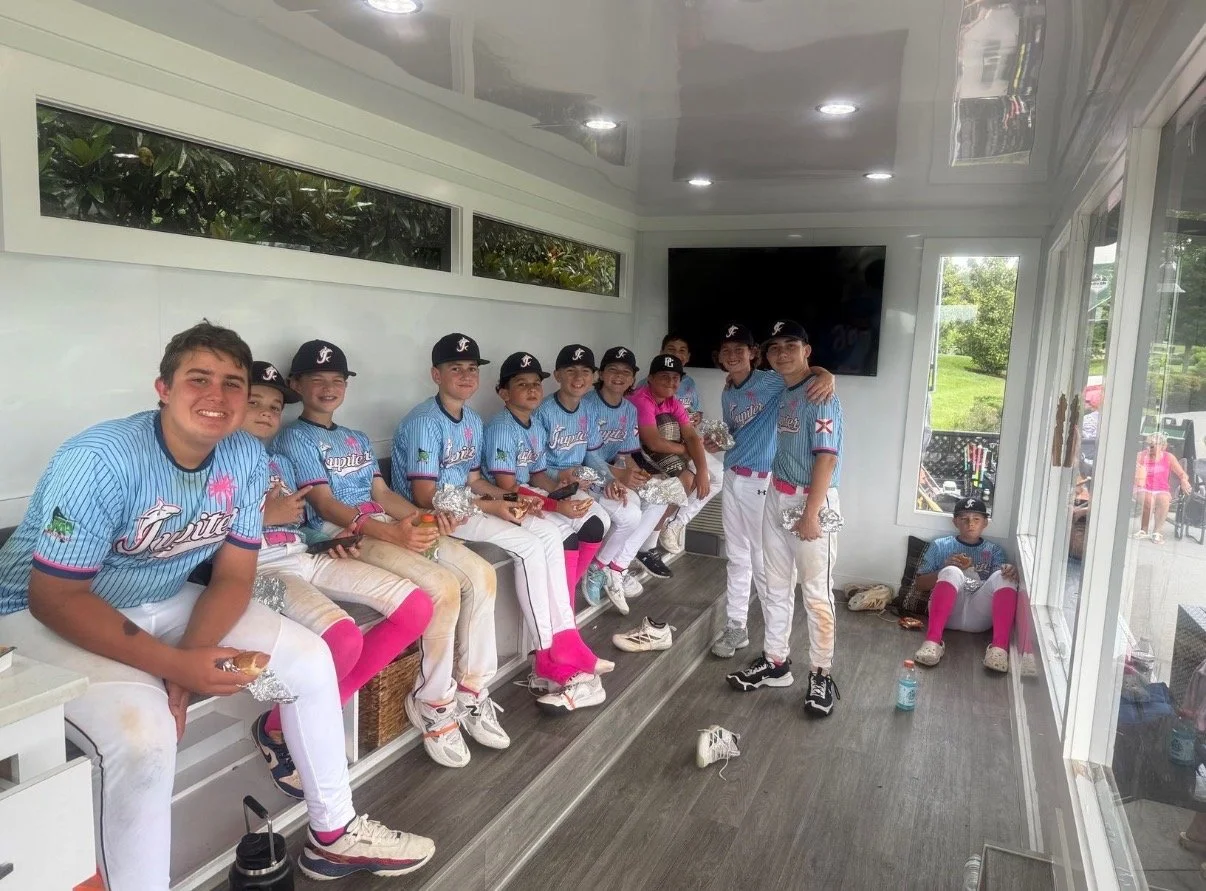
There are certain seasons in youth baseball that feel more significant in hindsight than they did while they were happening. At the time, they are filled with the usual practices, tournaments, long weekends, early alarms, hotel rooms, dugout chatter and games that seem enormously important for a few hours before the next one arrives. But eventually, one of those seasons becomes the last of something. For the Jupiter Hammerheads Black, the 12U season turned out to be exactly that. It was the final chapter of baseball on the small field before the game changed dramatically at 13U, and the summer offered several of our players opportunities to experience two of youth baseball’s most memorable destinations before that chapter closed for good.
The team had an opportunity during its 12U season to compete at The Ripken Experience in Pigeon Forge, Tennessee, one of the most recognizable destinations on the youth baseball tournament circuit. Even for families who have spent years traveling for baseball, Pigeon Forge has a different feel than the typical weekend tournament. The complex is built around the idea that young players should get something closer to a big-time baseball experience, with impressive fields, professional-style presentation and a setting in the Smoky Mountains that makes the trip feel like more than simply another collection of games. Baseball remains the reason everyone is there, but the destination itself becomes part of the memory. For players approaching the end of 12U, that matters because there are only so many opportunities left to experience the game in this particular way.
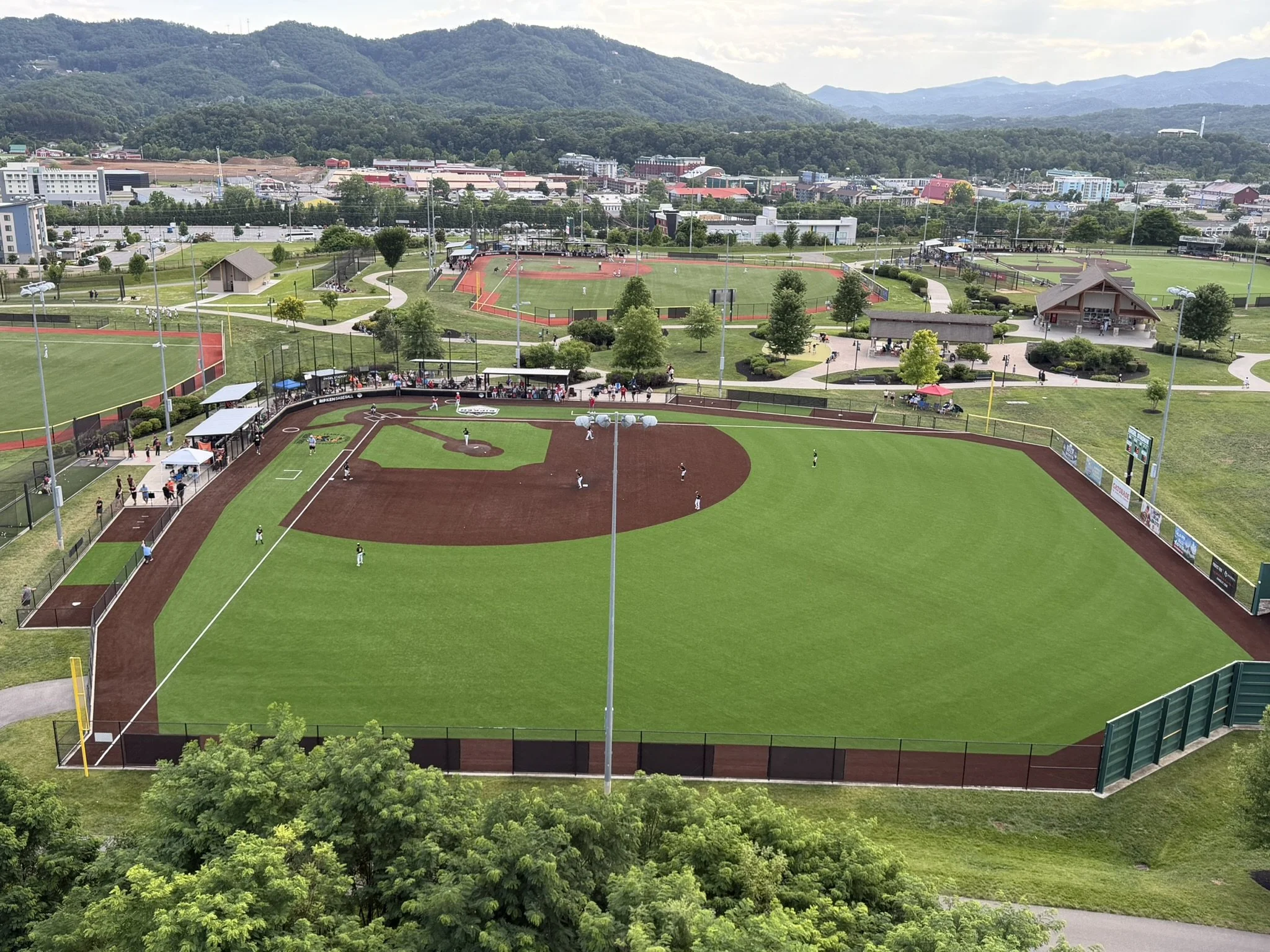
Pigeon Forge has become such a popular stop for travel baseball families because it manages to combine serious competition with the atmosphere of a baseball vacation. Players arrive expecting to compete, but they also get the experience of traveling with teammates, spending time together away from their normal routine and playing in an environment designed to make youth baseball feel important. Parents and siblings are part of that experience too, which is one of the reasons these trips tend to survive in family memories long after individual scores and tournament records have faded. Years later, a player may struggle to remember the exact result of a pool-play game, but he will remember walking into the complex with his teammates, hearing music around the fields, staying in hotels together and feeling as though baseball had temporarily become the center of the world. Those are the moments that make destination tournaments different from ordinary weekends.
That distinction is important at 12U because the sport is sitting at an unusual intersection between childhood and more advanced baseball. The boys are old enough for competition to matter deeply to them. They understand lineups, playing time, pressure situations, rivalries and the disappointment of losing a game they badly wanted to win. At the same time, they are still young enough that running around a hotel with teammates, trading jokes in the dugout or spending an entire week surrounded by baseball can feel almost magical. Destination tournaments such as Pigeon Forge capture both sides of that age perfectly. The players are serious about the games, but the memories being created around those games are often what survive the longest.
If Pigeon Forge represents one of the premier destination tournament experiences in youth baseball, Cooperstown occupies an entirely different category. The name itself carries weight in baseball. Cooperstown, New York, is home to the National Baseball Hall of Fame, and generations of players and families have associated the small village with the history and mythology of the sport. Over time, Cooperstown also became one of the defining destinations for 12U baseball, with tournament experiences that draw teams and players from across the country. For many families, a trip there has become something close to a rite of passage at the end of the small-field years.
The Hammerheads did not travel to Cooperstown together as a team this summer, but several players earned the opportunity to go through their performances at Pigeon Forge. During the Ripken event there, players who were named Most Valuable Player in tournament games or otherwise recognized for standout play were invited to participate in the All-Ripken experience in Cooperstown. Those selected players were then placed on different teams made up of athletes from around the country, giving them the chance to compete alongside and against players they had never met before. For the Hammerheads players who received those invitations, Cooperstown became one final opportunity to experience the small-field game in a setting that feels almost tailor-made for the end of 12U. It was not a team trip, but it was still a meaningful extension of the season and a fitting way for those players to close out that chapter of youth baseball.
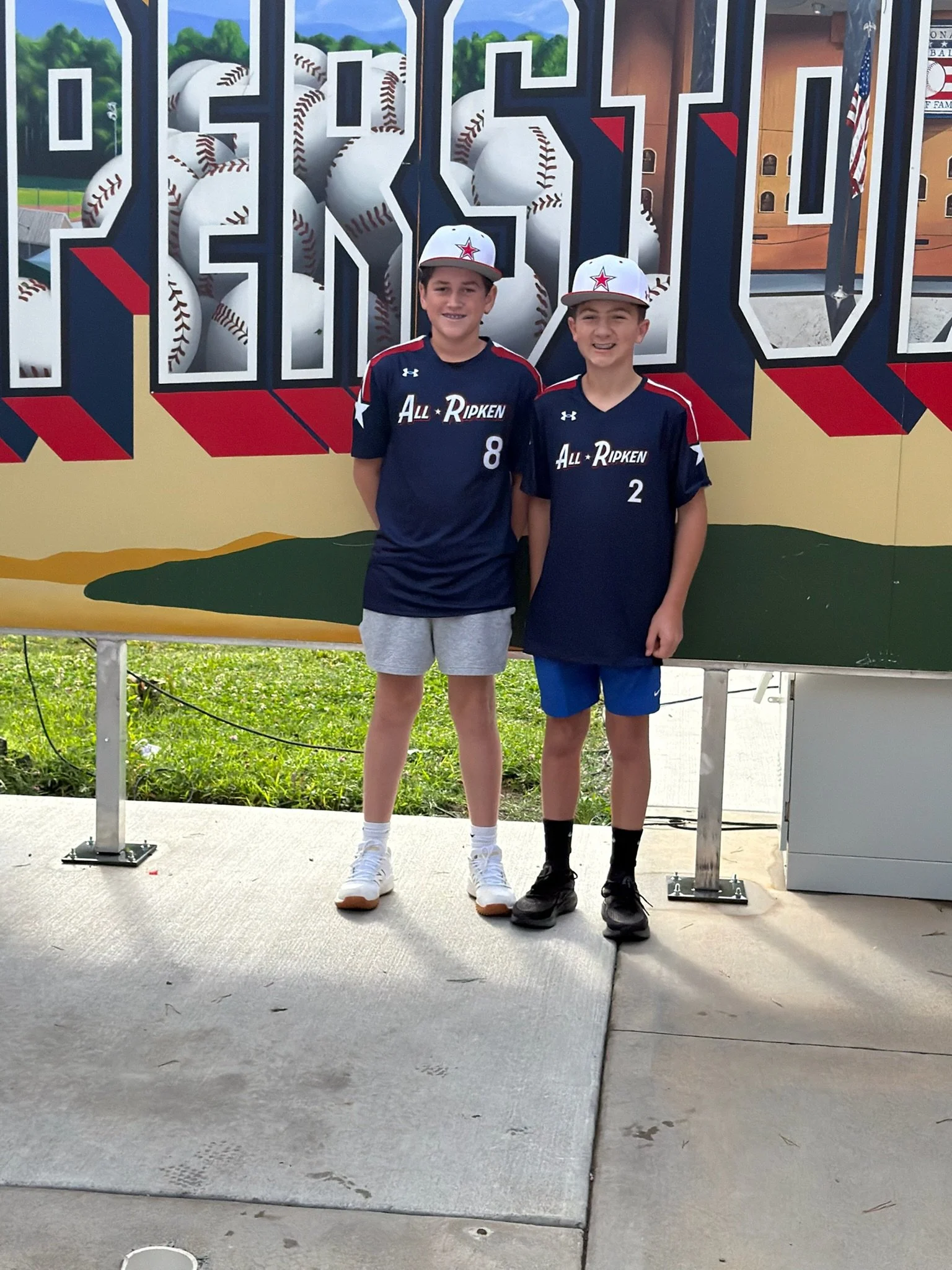
Part of what makes Cooperstown special is the way the entire experience surrounds players with baseball. It is not simply a matter of arriving at a complex, playing a game and going back to a hotel. The town itself is tied to the history of the sport, and young players are immersed in baseball in a way that is difficult to duplicate anywhere else. They can walk through the Hall of Fame and see the names, artifacts and stories of players whose careers helped shape the game. They can spend their days competing with kids from different parts of the country and then step into a town where baseball seems to exist on every corner. For a 12-year-old who has spent years loving the sport, the environment can make baseball feel much larger than his own team, his own league or his own season.
There is also something especially appropriate about Cooperstown being associated so strongly with 12U. At that age, players are old enough to understand where they are and why it matters, but young enough for the experience to still feel enormous. They know the names of current major leaguers, understand the significance of many of the legends who came before them and still allow themselves to imagine what their own baseball future might look like. They can appreciate the Hall of Fame while also obsessing over the next game they are about to play. That combination of history, competition and childhood ambition is difficult to reproduce, and it is a major reason so many baseball families talk about Cooperstown long after the trip is over.
For the Hammerheads players who went, another part of the experience carried special meaning: these were among their last games and home runs on the small field. That may sound overly sentimental until a player actually makes the transition to 13U and realizes how drastically the geometry of baseball changes. At 12U, a well-struck ball can leave the yard with a frequency that simply does not exist once the fences move back. A shortstop can range into the hole and still make a throw across a relatively compact diamond. Catchers, pitchers and baserunners operate within distances they have spent years learning instinctively. Then the season ends, the field expands, and almost every movement suddenly requires more.
That is one of the strange things about the end of 12U. Nobody announces the final moment. There is no ceremony telling a player that he has just taken his last swing on a small diamond or made his final throw across a 70-foot basepath. One game simply ends, the equipment gets packed, summer moves along, and eventually the team reports for another practice. Except this time the bases are 90 feet apart, the mound is 60 feet, 6 inches from home plate, the outfield looks enormous and the throwing lanes seem to have doubled overnight. The game is still baseball, but it no longer feels quite the same.
The first practices on the big field can be humbling even for very good players. A routine ground ball becomes a longer throw. An infielder who once felt as though he could cover enormous amounts of ground suddenly discovers how much space exists between bases. Catchers have to adjust to longer throws, pitchers begin dealing with a more sophisticated running game and baserunners have more room to create pressure. Outfielders have far more grass to cover, and balls that once would have reached a fence now remain in play. Every player quickly learns that the big field has a way of exposing weaknesses that the smaller dimensions could hide.
That transition is exactly why the final 12U experiences deserve to be remembered rather than rushed past. Pigeon Forge and Cooperstown were not important simply because they were impressive places to play baseball. They represented opportunities for young players to enjoy the last stage of the game before everything became larger, faster and more demanding. The memories made there belong to a version of youth baseball that these players will never experience in quite the same way again. That does not make the next stage worse. It simply makes the old one worth appreciating before moving forward.
The 12U years also leave behind much more than home runs, tournament results or photographs from destination events. They are where many players begin learning the emotional side of competition. They learn how quickly confidence can disappear after a bad at-bat and how quickly it can return with one good swing. They learn that errors happen, that the next pitch does not care what happened on the previous one and that being part of a team occasionally means supporting teammates when their own role is smaller than they would like. They learn how to deal with wins, losses, pressure and disappointment while still being young enough to enjoy baseball for the simple reason that playing it is fun.
Families learn plenty during those years too. They learn how much of youth baseball happens before the first pitch and after the final out. It happens during long drives, rushed dinners, hotel check-ins, tournament mornings and conversations in the car on the way home. Parents spend weekends sitting in brutal heat, reorganizing schedules and traveling farther than they once imagined they would for a baseball game. At times the travel can feel exhausting, expensive and completely unreasonable. Then a season ends, the kids get older, and suddenly everyone realizes how quickly those weekends disappeared.
That may be the real significance of the final 12U summer. Youth sports constantly encourage families to look ahead. There is always another tournament, another season, another level, another bat, another tryout and another goal. Players spend so much time preparing for what comes next that it can be easy to miss when something meaningful is ending. The final season on the small field deserves a little more attention because it marks a very visible boundary between two versions of youth baseball. On one side are the fields and dimensions the players grew up with. On the other is a game that begins to look increasingly like the baseball they watch at higher levels.
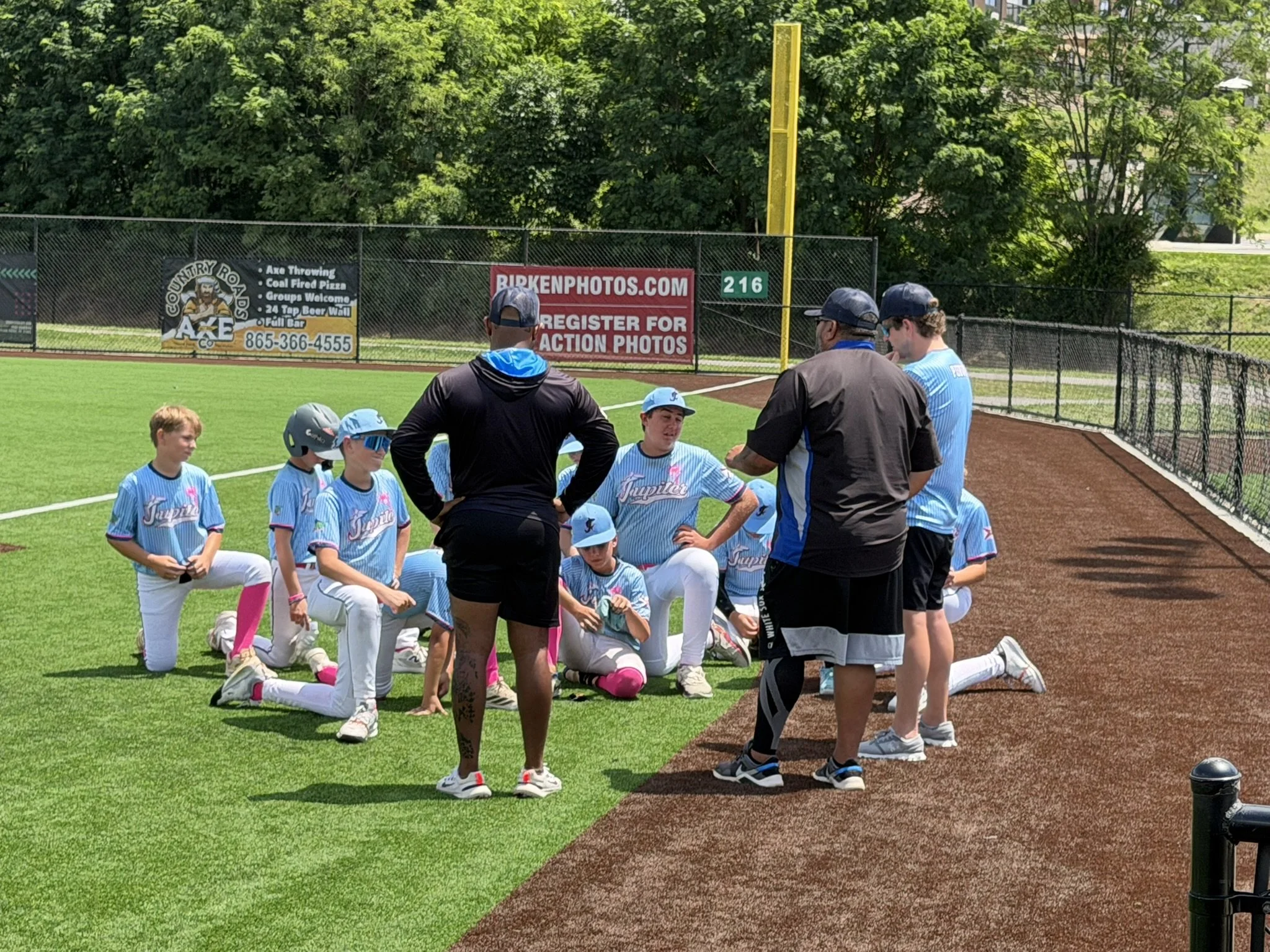
For the Jupiter Hammerheads Black, that boundary has now been crossed. Pigeon Forge provided one of the memorable opportunities connected to the final 12U season, and Cooperstown gave several players another unforgettable baseball experience before they left the small field behind. Those trips, along with all the ordinary games and practices that surrounded them, now belong to the history of this group. They are part of the foundation the players carry with them, but they are no longer where the team is headed.
The Hammerheads are now fully into 13U, and there is no reason to keep one foot in the previous chapter. The bases are farther apart, the mound is farther away, the throws are longer and the game is beginning to demand a different level of awareness, strength and execution. There will be mistakes that rarely happened at 12U because the field itself creates new challenges. There will be stretches where players look uncomfortable while they adjust, and there will be moments when the bigger field seems to expose every weakness at once. That is part of the process, and it is exactly what makes the next stage exciting.
The small field gave these players years of memories and taught them how to play the game. Pigeon Forge and Cooperstown helped give the final 12U summer the kind of experiences that baseball families remember long after uniforms change and schedules disappear. Now those memories can stay exactly where they belong, as part of a chapter worth celebrating without needing to live in it forever. The door on 12U is officially closed, and the Hammerheads are no longer preparing for the next level.
They are already there.
