
Team Practice Isn’t Enough: Why Serious Youth Baseball Players Need Extra Reps
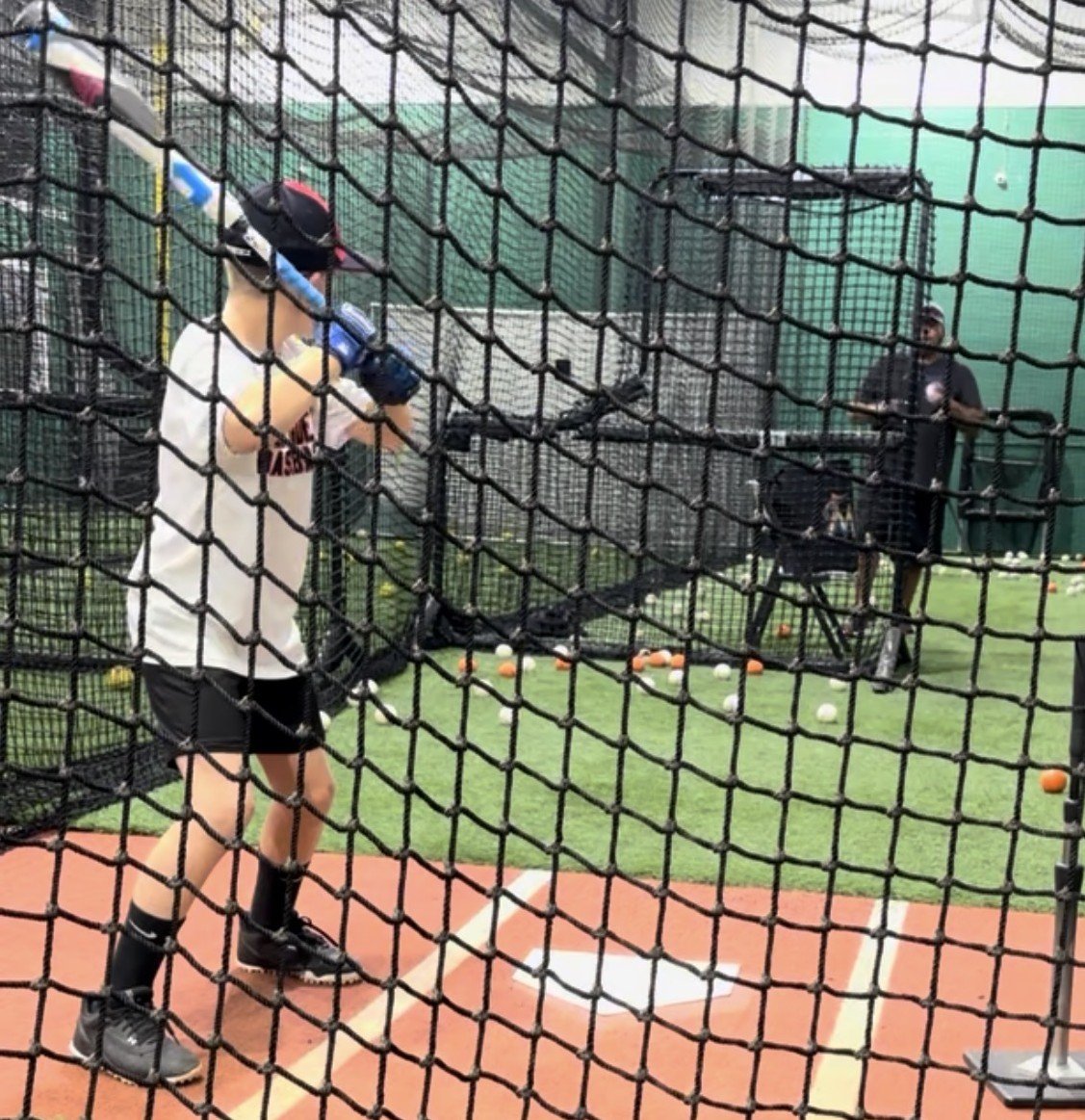
At the younger levels of youth baseball, simply showing up to practice can take a player a long way. Coaches are teaching fundamentals, everyone is still learning the game, and two or three organized practices each week may provide enough repetitions for a developing player to keep progressing. As players get older, however, the gap between those who only attend team activities and those who work outside of them becomes increasingly noticeable. By the time players reach 12U, 13U and beyond, the game is moving faster, competition is stronger and the margin for error becomes much smaller. Team practice remains important, but for players who want to compete at a high level, it eventually becomes only one part of the development process.
The reason is simple: there are only so many repetitions available during a team practice. A coach may have twelve or more players who all need defensive work, batting practice, baserunning instruction, situational training and time at their respective positions. Even during a well-run two-hour practice, an individual player may receive only a limited number of meaningful swings or defensive repetitions. That is not a criticism of coaches or team practices, because there is simply too much to accomplish with an entire roster at once. Team practice teaches players how to play together, execute systems and prepare for competition, while individual development often requires additional work outside that environment.
Hitting may be the clearest example. A player can take batting practice with the team and still need hundreds of additional quality swings to make a mechanical adjustment become automatic. Tee work, front toss, batting cages and live instruction all provide different kinds of repetition, and each can expose weaknesses that may not become obvious during a short round of team batting practice. Players also need opportunities to work at different speeds, make adjustments and repeat movements without worrying about the next player waiting for a turn. The goal is not simply to swing more often, but to create enough good repetitions that proper mechanics begin to hold up when the game becomes faster and more difficult.
The same principle applies defensively. Infielders need countless ground balls from different angles, speeds and hops before footwork and transfers become instinctive. Outfielders need repetitions reading balls off the bat, working on routes and throwing accurately to bases, while catchers and pitchers each have their own highly specialized skills that require additional attention. Those skills cannot always be developed fully during general team practice, especially when coaches are trying to prepare an entire roster for the next game or tournament. A player who spends even a modest amount of additional time each week working specifically on his or her position can accumulate hundreds or thousands of extra repetitions over the course of a season.
Private instruction can also become increasingly valuable as players advance, particularly when it is consistent rather than used only when something goes wrong. A knowledgeable instructor can identify small mechanical problems that may be difficult to diagnose during a busy team practice and can build a training plan around the individual athlete rather than the entire roster. That does not mean every young player needs multiple expensive lessons each week, nor does it mean private coaching can replace good team instruction. What matters most is having someone who understands the player, recognizes patterns over time and knows when to make an adjustment without constantly rebuilding everything. For families who choose that route, the greatest value often comes from developing a long-term relationship with an instructor who knows the athlete’s swing, habits, strengths and weaknesses.
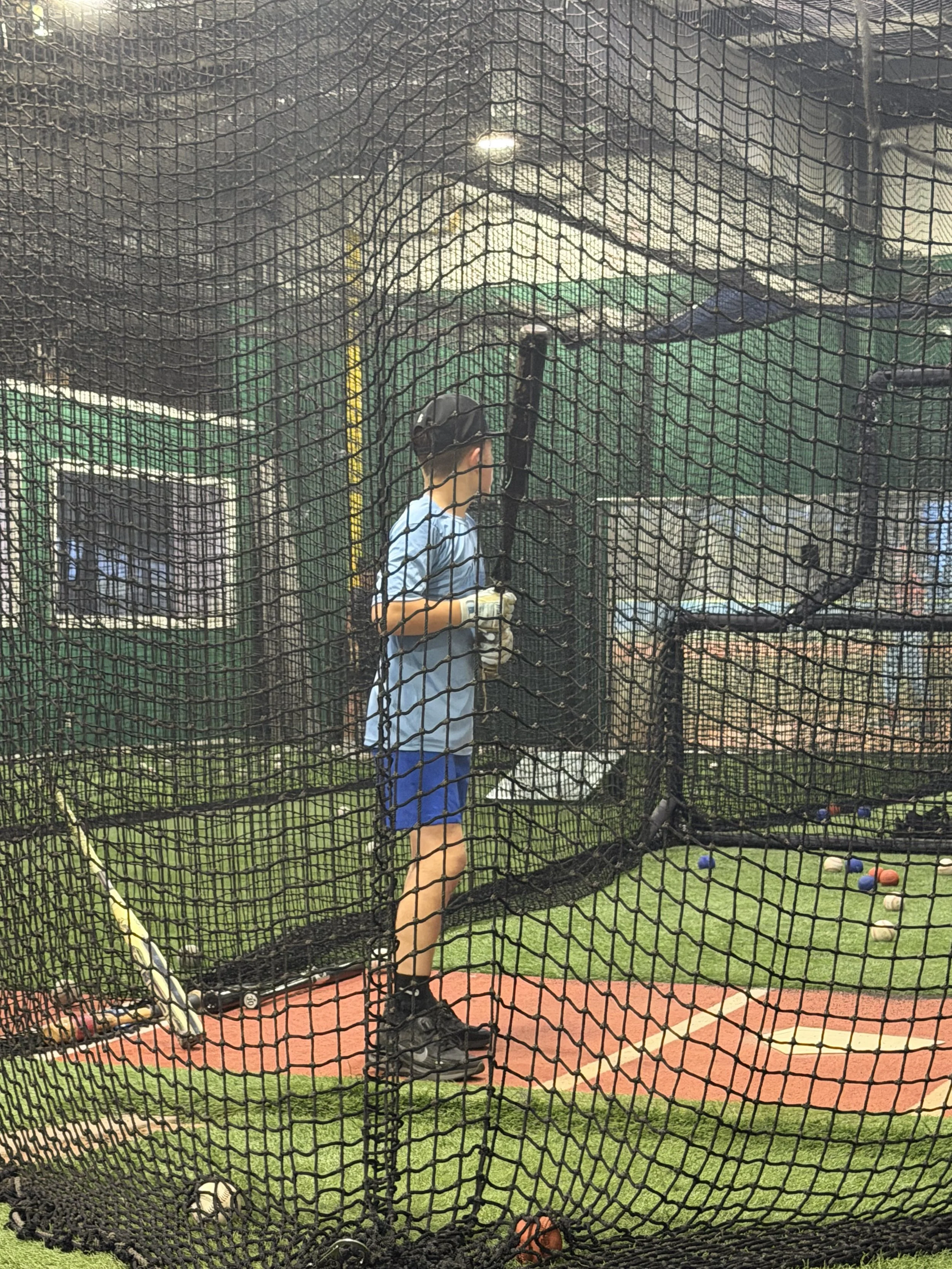
Our family has seen the effect of that consistency firsthand. Both of our children have worked with professional instruction for years, in addition to their regular team practices, and those lessons have become a normal part of their baseball and softball schedules rather than something we turn to only during a slump. The improvement has not come from a single lesson or one magical mechanical change, but from years of repetition, small adjustments and continued work between games. With our son in particular, the difference is easy to see as the level of competition has increased because the foundation was being built long before he reached the bigger field. That kind of development takes time, and starting the process early allows a player to build skills gradually instead of trying to catch up once the game suddenly becomes more demanding.
None of this means a young athlete should spend every waking hour training. Baseball is still supposed to be something kids enjoy, and there is a point where extra work can stop being productive if a player is exhausted, frustrated or only participating because an adult is forcing the issue. The best additional work usually comes from athletes who have some ownership of the process and understand why they are doing it. Fifteen or twenty focused minutes in the backyard can sometimes accomplish more than an hour of distracted swings, and a productive cage session does not need to turn into an endurance contest. Quality matters, consistency matters and maintaining a healthy relationship with the sport matters just as much as the number of repetitions.
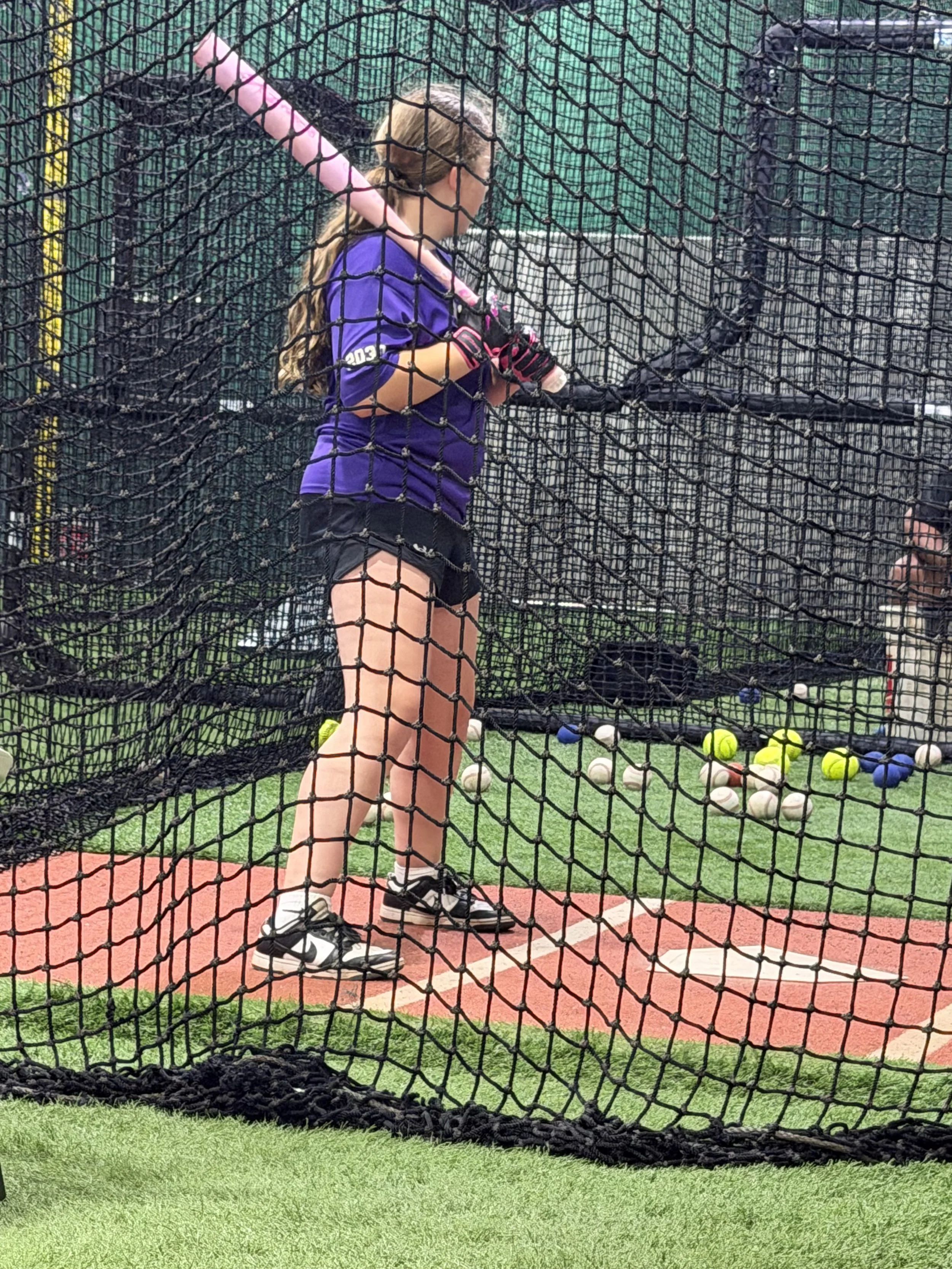
Parents also do not need to build a professional training facility at home to create opportunities for extra work. A tee, a net, a bucket of baseballs and a small patch of usable space can provide thousands of productive swings over the course of a year. Players can work on glove transfers, short hops, footwork and throwing mechanics with surprisingly little equipment, while local batting cages provide another option when space or weather makes home training difficult. The important part is establishing the habit of working on specific skills outside scheduled team activities. Once that habit becomes normal, improvement tends to happen in small increments that are easy to overlook day to day but become obvious over the course of a season.
There is also an important difference between simply doing more and practicing with a purpose. Taking 200 careless swings does not automatically make a player better, and repeating bad mechanics can actually make future corrections more difficult. Players should understand what they are working on, whether that means keeping the hands inside the ball, improving lower-body movement, controlling the barrel, cleaning up footwork or becoming more consistent with throws across the diamond. That is another area where good coaching and private instruction can help, because players can leave a lesson with specific things to continue working on at home. Extra practice becomes much more valuable when each repetition is connected to an actual developmental goal.
As youth baseball becomes more competitive, the players who stand out are rarely developing only during scheduled team practices. They are hitting in cages, taking ground balls, throwing, working with instructors and finding small opportunities to improve between games. Team practice is where players learn to compete together, but much of the individual work that allows them to perform at a higher level happens somewhere else. There is no shortcut that guarantees a player will become elite, and extra work cannot replace talent, athleticism or a genuine love for the game. What it can do is give a motivated player more opportunities to develop those abilities, and over several years, those extra repetitions can add up to an enormous difference.
